
Summary
Dynamic pricing can give businesses a competitive edge by adjusting prices in real time based on demand, costs, and market conditions. This article explores four types of dynamic pricing, three key questions to ask before implementing it, and the common pitfalls to avoid.
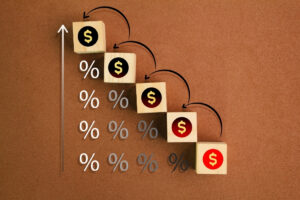
Dynamic pricing, also known as real-time pricing, is a pricing strategy used to set prices for goods and services that are constantly changing in demand.
Businesses can adjust their prices based on fluctuating market demand to gain a pricing advantage against competitors. If your competitors have a stagnant policy, they will miss out on pricing opportunities, such as raising prices when willingness to pay increases, or driving volume when it drops.
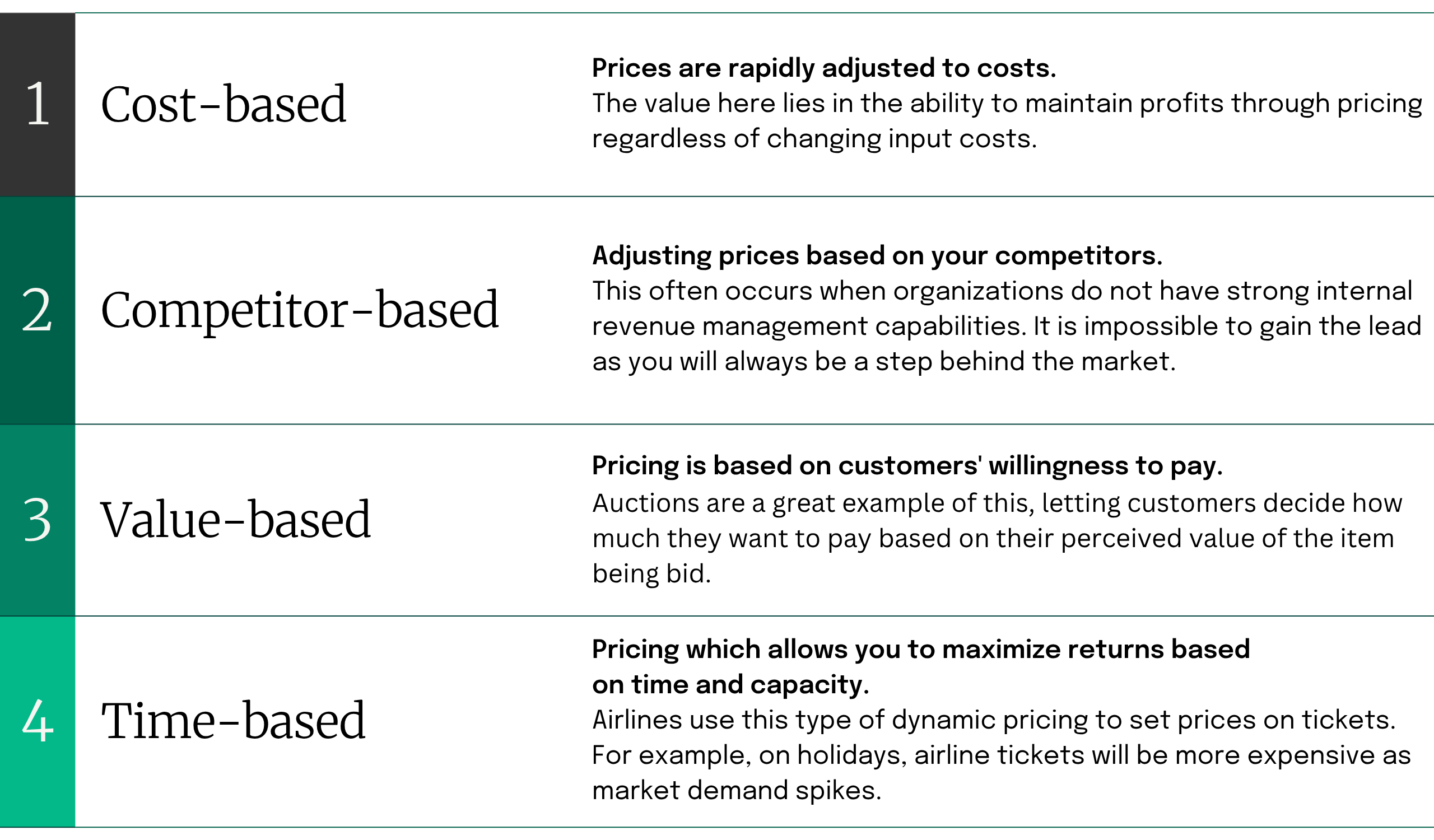
The four main types of dynamic pricing
Three questions when implementing dynamic pricing
- What are our goals in pricing? Is the key to your business depend on being able to respond to volatile markets? Are changes happening hourly that require you to shift prices? If so, dynamic pricing may be right for you.
- How quickly can we implement pricing changes? Do you have the correct pricing systems in place to respond to dynamic changes? Are your customers able to adjust to the price changes? Even if you know your dynamic pricing goals, implementing them requires due diligence.
- What are our pricing indicators? What are your costs? What is the current market demand? What is your competitors’ pricing? These indicators all dictate your dynamic pricing capabilities.
Dynamic pricing in action
Uber and eBay are great examples of companies maximizing their revenue using dynamic pricing:
- Uber utilizes time-based pricing, adjusting its prices during times of high and low traffic to provide customers transportation based on needs and demand.
- eBay utilizes value-based pricing, delivering products based on bids, and pricing their products based on their customer’s willingness to pay.
Why most companies aren’t pricing dynamically
Unfortunately, most companies lack the competencies to consistently stay ahead of the rapid market changes, so their implemented benefits are short-lived. Bain & Company calculated that roughly only 18% of B2B companies’ prices dynamically. According to Statista Analytics, only about 21% of all e-commerce companies price dynamically.
Most companies fail to price dynamically due to a lack of competence in 3 major fields:
- Data Acquisition and Analysis: Unusable/incorrect data can cause errors in pricing decisions, leading to substantial loss of time and resources.
- Process and Operating Models: Sophisticated dynamic pricing systems and infrastructure must be in place to collect, manage, and transform raw data into something comprehensible.
- Training and Communications: Your sales team must be enabled correctly, because if they cannot understand the pricing strategy and deliver it soundly, how can the customer?
Final thoughts
The good news is only a small percentage of businesses have incorporated dynamic pricing. Read the above to gauge whether dynamic pricing is right for your business, and then ensure you do not fall into any common pitfalls. Reach out to Revenue Management Labs so we can help you learn more about your business’ pricing capabilities and how to quickly implement them to drive volume and maximize revenue.