Summary
Kroger pulled Red Bull from nearly 2,700 stores amid a pricing standoff. The Pricing Guys break down who holds the leverage when retailers & suppliers collide.
Red Bull coolers are gone from Kroger. The shelves are empty, and the retailer’s website points to keeping prices affordable. On the surface, it looks like a grocer standing up for its customers. Michael Stanisz and Avy Punwasee, who have spent years on both sides of CPG pricing negotiations, see a more complicated story: two heavyweights, a lot of margin on the table, and a signal to every supplier planning a price increase.
Key takeaways
- A public retailer price stand is a real negotiation, but it is also powerful marketing.
- Retailers tend to pick fights in categories where shoppers have plenty of alternatives.
- Trade fees such as slotting, listing, and compliance penalties shape supplier economics as much as the shelf price does.
- A stop-ship only works when a brand has genuine pull with shoppers.
- Every public dispute tells other suppliers what will happen when they try to raise prices.
What happened between Kroger and Red Bull?
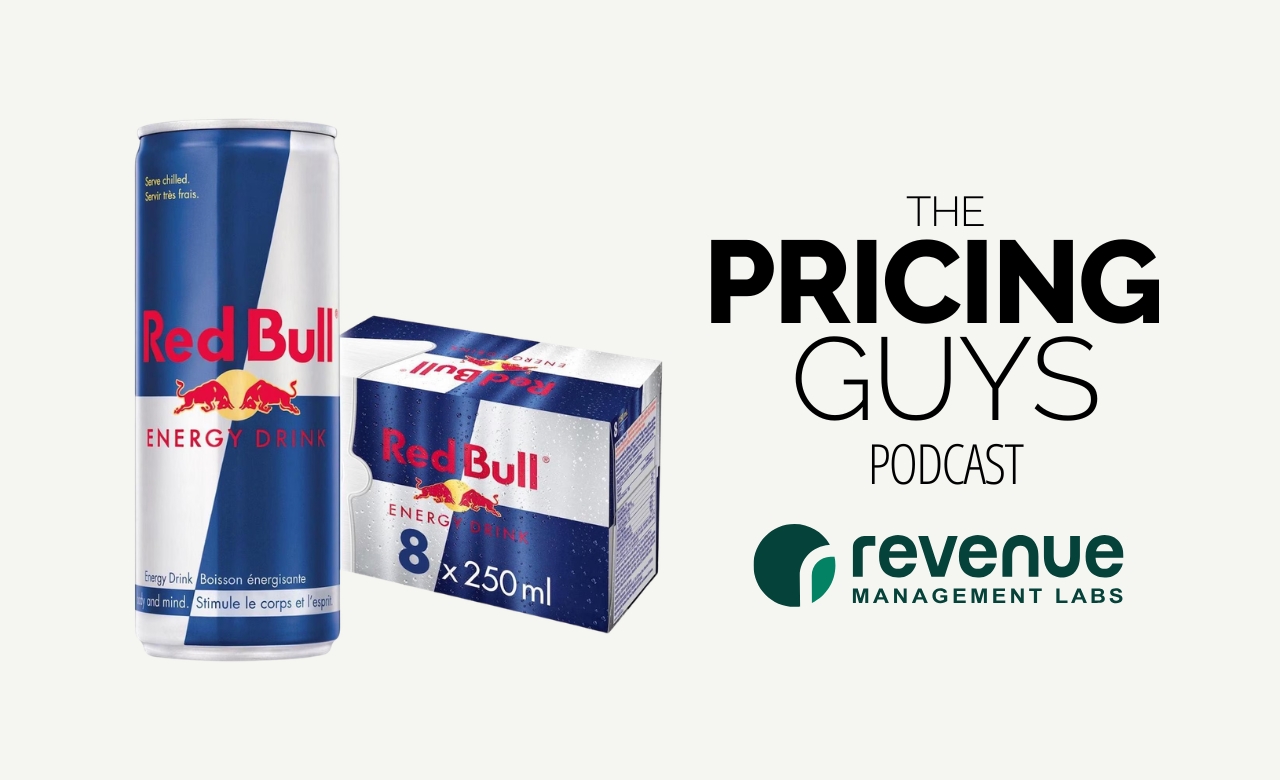
Kroger has stopped selling Red Bull across its banners, which include Fred Meyer, QFC, Ralphs, Harris Teeter, and King Soopers. The brand’s displays were removed from all locations by Aug. 31, according to The Cincinnati Enquirer. Shoppers searching for Red Bull on Kroger’s website see a message saying the product is out of stock while Kroger works with its suppliers to keep prices affordable. mynorthwest
Kroger has not formally stated the reason, but the context is clear. New CEO Greg Foran has pledged to lower prices across the retailer and push back against suppliers who raise wholesale costs. Trade coverage has described the two companies haggling over a price hike Red Bull is taking to offset elevated input costs, while Kroger strives to keep prices lower for strapped shoppers. Meanwhile, Kroger is still selling other energy drinks, including Monster, Alani Nu, Bloom, Rockstar, and NOS. MYNORTHWEST NEWS +2
Is Kroger fighting for shoppers or for margin?
From a shopper’s perspective, the message lands well. If a retailer publicly refuses a price increase, customers feel protected. They are less likely to leave Kroger to buy Red Bull somewhere else, because Kroger appears to be on their side.
Michael and Avy question how much of that is fact and how much is positioning. Large retailers have enormous buying power, and historically they have used it to capture margin for themselves. Kroger is likely earning a healthy margin on Red Bull already. The public framing makes the negotiation look like consumer protection, but it is still a negotiation over who keeps the money.
Why Red Bull and not eggs or bread?
Grocery prices across the basket have risen significantly. If a retailer truly wanted to lead on affordability, the biggest categories would be the obvious place to start.
Energy drinks are a strategic choice for a different reason. The category has several strong competitors, and a retailer can offer the freed-up space and promotional slots to other brands eager for incremental volume. Private label may also play a role. Taking a stand in a category with ready substitutes carries far less risk than doing it in a staple where shoppers have fewer options.
The hidden economics of trade fees
Most shoppers never see the fees that shape what lands on the shelf. Manufacturers, including major national brands, can pay significant amounts in slotting fees, listing fees, and compliance penalties such as on-time in-full (OTIF) fines. Fee structures vary widely from retailer to retailer.
Traditionally, the grocery model ran on thin product margins, with fees helping to support retailer financials. Since COVID, Michael argues, retailers increasingly want both: the fees and a larger share of the margin. Industry consolidation has given them the power to ask, because they own the real estate where the shopper makes the decision.
What would Red Bull do? The stop-ship lesson
Michael recalls one of his first pricing projects, working with a large consumer goods company selling into Walmart. After years without a price increase, the company introduced one. Walmart refused. After a period of back-and-forth, the team made a decision: if they did not stop shipping, the retailer would never respect their pricing again.
They stopped shipping. The next day, Walmart called asking where the product was. The answer was simple: update the price in your system. Within about 24 hours, the new price was accepted.
The lesson is not that stop-ships always work. That brand was extremely well known, widely distributed, and faced little direct competition on the shelf. Red Bull is a powerful brand, but in a crowded energy drink set, its leverage is less certain.
Can Kroger afford to lose the category leader?
Removing Red Bull may be good short-term PR, but it creates real category risk. Red Bull may be one of the fastest-turning items in the set. The brand is so strong that people order a “vodka Red Bull,” not a vodka with an energy drink.
If shoppers switch to a competing brand, they may not like it as much or consume as much of it. Some may leave the category entirely, or shift that trip to another retailer. There is also a subtler effect. When a retailer puts price front and center, it raises shoppers’ price awareness across the whole store. A customer who notices the Red Bull message may start comparing Kroger’s prices against Walmart and Costco in their next category, and the one after that.
Red Bull’s other moves
Avy’s view is that the smarter response is not a public counterpunch. Going to war with a customer rarely ends well, and exposing retailer margins invites everyone to question what they are paying. Instead, Red Bull can lean into its other retail partners, drive cross-banner sales, and capture volume where its price increase has already been accepted.
There are also channels beyond traditional retail. Direct-to-consumer and Amazon can be far more profitable on a per-unit basis than a major grocery chain. Disputes like this one may push more manufacturers to ask whether enough is enough and build distribution that depends less on any single retailer.
What should we learn from this
A strong pricing program should be able to answer a few practical questions before a price increase goes to market:
- How much real pull does your brand have with shoppers in this category?
- What alternatives does the retailer have to fill your shelf space?
- What does your full cost-to-serve look like once trade fees and penalties are included?
- Which channels and partners can absorb volume if a key account pushes back?
- What is your walk-away point, and does leadership agree on it before negotiations start?
This is where Revenue Management Labs takes a customized, hands-on approach. Price increase strategy is not only about the number. It is about understanding your leverage by account, modeling the downside, and preparing commercial teams to hold the line with evidence.
The bottom line
The Kroger and Red Bull standoff is part negotiation, part positioning, and part signal to the market. Kroger gains a strong affordability story. Red Bull keeps its price integrity elsewhere. Neither side is guaranteed to come out ahead.
What the episode makes clear is that retailer power has grown, and manufacturers need a deliberate plan for how they take price. That means knowing their leverage before they walk into the room, not after the coolers are gone.
What this means for your pricing capability
The episode’s conclusion tracks with how RML structures its own work: a pricing capability that lasts is built from three connected pieces, not one clever model.
- Advise: Clear pricing direction grounded in evidence and research.
- Build: AI-powered pricing tools tailored to your business.
- Change: Execution and capability that makes pricing stick.
Catch all episodes for The Pricing Guys
– YouTube: https://lnkd.in/eKG43AT2
– Spotify: https://lnkd.in/evBnafHv