
The Pricing Guys Podcast Episodes
Season 4

S4E1 – The DYI Pricing Trap
Everyone's using AI. Michael and Avy break down why the DIY pricing trap is real, and why an AI answer still isn't the same as a strategy your team trusts.
Season 3

S3E14 – Can AI Replace Pricing Experts?
Revenue Management Labs uses this special Pricing Guys episode to announce a major step forward: Gustavo Mendonça is joining as a Partner to lead the company’s new build function. The conversation explores how AI is changing pricing work, making custom tools faster and more accessible, while showing why expert judgment and implementation still matter.

S3E12 – Ferrari’s EV Bet and What It Cost Them
Ferrari’s move into electric vehicles was meant to open the brand to a new kind of buyer. Instead, the company’s stock fell about 8% after the announcement, and production expectations reportedly came down.

S3E11 – Interview with CJ Gustafson
A family trip to Disney World became an unexpected pricing masterclass for CJ Gustafson, the CFO-turned-creator behind Mostly Metrics.
S3E10 – The Kevin Mitchell Interview
Kevin Mitchell, president of the Professional Pricing Society, joins The Pricing Guys for a practical conversation about the state of pricing. He shares the story behind PPS, explains why a 1% price improvement can matter more than many cost initiatives, and offers clear views on discounting, AI, value communication, and career growth in pricing.
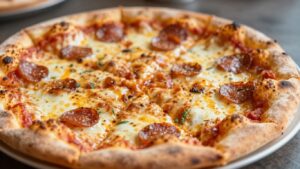
S3E9 – The Big Slice
New York City’s pizza market offers a pricing lesson hiding in plain sight. A dollar—or now $1.50—slice can sit next to a $4.50 slice, while a sit-down pizza may cost $35 or more.

S3E8 – Heinz Proved It. Can You?
Heinz found a smart way to protect its brand without raising prices or launching another product. By helping customers identify genuine ketchup, the company reportedly increased sales to food vendors by 23%.

S3E7 – Is Your Grocery App Spying on Your Wallet?
Surveillance pricing sounds like something from a spy movie, but the idea is already part of the pricing debate. Grocery apps, airlines, hotels, and B2B sellers all use customer data in different ways. The real question is not whether prices can change, but when personalization becomes unfair—and whether regulation or competition should set the limits.

S3E6 – The Future of Pricing in an AI World
AI is changing how buyers search, compare, and purchase. But the bigger question is what pricing looks like when these systems become part of everyday life. In this episode, Michael and Avy look 10 to 15 years ahead, exploring shopper bots, fewer promotions, hidden B2B prices, brand value, scarcity, and the uneven effect of AI on costs.

S3E5 – The Change Management Problem in Pricing
Pricing teams often feel overlooked. Their analysis can uncover major margin opportunities, yet sales, operations, and executives may not act on the recommendations. In this episode of The Pricing Guys, Michael and Avy challenge that frustration and argue that pricing professionals must do more than build models. They must help the business change.

S3E4 – Why Did Target Remove Prices From Tags?
Target and other major retailers have drawn attention by removing visible prices from selected clothing tags.

S3E3 – The New iPhone Pricing Strategy
Apple’s latest iPhone and iPad pricing decision raises a bigger question than whether customers will buy the newest device. By adding features while keeping prices flat, the category leader may be responding to cautious consumers, slower replacement cycles, and a market that is starting to look more mature. The move could also put pressure on every competitor.

S3E2 – The Death of Seat Based SaaS
Seat-based SaaS pricing helped power the software boom for years. But AI, automation, and changing customer behavior are putting pressure on the model. In this episode, Michael and Avy examine the move toward usage-based and hybrid pricing, the importance of choosing the right metric, and why simplicity may matter more than ever.
S3E1 – The Price Guess Challenge
Michael and Avy are back for Season 3 of The Pricing Guys with a simple challenge: can pricing professionals guess what everyday products actually cost? They take on shampoo, eye cream, baby formula, a designer T-shirt, marinara sauce, a water bottle, and gum. The results are funny, close, and surprisingly revealing.
Season 2

S2E12 – 4 Pricing Trends to Watch in 2026
Season two closes with a practical look at the pricing decisions likely to shape 2026. Avy and Michael discuss four themes emerging across software, technology, manufacturing, consumer goods, and business services: hybrid pricing, simpler models, outcome-based pricing, and stronger value offerings. Together, they offer a useful planning lens for executive teams.

S2E11 – Are Subscription Models Right for Every Business
tion pricing has moved well beyond software and streaming. From London barbershops to car washes and B2B maintenance services, more businesses are testing recurring revenue models. But a subscription is not automatically a better pricing strategy. It must fit customer behavior, capacity, usage patterns, and the business’s real growth goals.

S2E10 Interview with Tareq Hadhad: Why Purpose Is the Most Valuable Investment
Tareq Hadhad, founder and CEO of Peace by Chocolate, joins The Pricing Guys to discuss the link between purpose, profit, and long-term growth. He shares how his family rebuilt a business in Canada, why consistency builds trust, and how brands can create pricing power through story, experience, and service—not just a higher price tag.

S2E9 – Your Pricing Strategy Is Only as Strong as Your Sales Team’s Ability to Execute
Pricing strategies often look strong in a spreadsheet and struggle in the market. In this episode of The Pricing Guys, Avy Punwasee and Michael Stanisz speak with John Shulman of Alignor about the gap between pricing recommendations and frontline execution. The discussion focuses on sales alignment, negotiation, customer risk, and the practical work needed to make pricing changes stick.

S2E8 – The Most Polite Price Increase in History
A Japanese ice cream company made headlines after raising the price of its popular bar for the first time in decades. Instead of quietly changing the shelf tag, its CEO and employees publicly apologized. The story offers a useful lesson for any business: price changes are not only financial decisions. They are communication decisions, too.
S2E7 – The Pricing Guys Q&A Special | Hosted by Jonathan Cristopoulous
Pricing is everywhere, from designer T-shirts and phone warranties to business-class flights and restaurant menus. In this special Q&A episode of The Pricing Guys, Jonathan Cristopoulous puts Avy Punwasee and Michael Stanisz on the spot. Their answers are funny, direct, and surprisingly useful for anyone thinking about value, pricing power, and return on investment.

S2E6 – Raising Cane’s Playbook: Why Simplicity Scales
Raising Cane’s offers a useful lesson in how simplicity can become a serious business advantage. Its menu is built around one core product—chicken fingers—served in a few different formats and price points. That choice supports smoother operations, clearer customer value, stronger supplier economics, and a pricing strategy that is easier to execute.

S2E4 – Airline Pricing: Can Low-Cost Really Work?
The low-cost airline model is under pressure, but that does not mean affordable air travel has no future. In this episode, Avy and Michael examine what makes discount pricing work, why some airlines struggle to sustain it, and how cost structure, customer value, and product mix shape long-term results.

S2E3 – Are Gen Z Really Price Sensitive?
Gen Z and millennials are often described as the most price-sensitive consumers. But that idea misses a key point: price sensitivity changes by category, situation, and buying model. Younger customers may hunt for the lowest fare, yet pay more for convenience, customization, subscriptions, and experiences that fit their lives.

S2E2 – Breaking Free of the Discount Trap
Discounting can look like an easy way to win volume, close a deal, or create a short-term lift in sales. But the real cost often appears later: weaker net prices, lower customer lifetime value, damaged channel relevance, and internal benchmarks that are difficult to change.

S2E1 – Tom Gunter Interview: The Flawed Thinking Behind CPG Strategy
Tom Gunter joins Michael and Avy for the first guest interview on The Pricing Guys. With more than 35 years in FMCG and senior roles across North America, Tom shares a direct view of what goes wrong in CPG strategy.
Season 1

S1E15 – Do You Really Need a Chief Pricing Officer?
Pricing is becoming a bigger part of executive conversations, and some companies are responding by creating a Chief Pricing Officer role. In this season finale of The Pricing Guys, Michael and Avy examine whether a new title can really improve pricing performance—or whether the real answer lies in organizational alignment, shared goals, and better execution.
S1E14 – The Hidden Cost of Discounts
A drop in input costs does not always reach the customer. In this episode of The Pricing Guys, Avy and Michael examine why lower oil prices, distributor margins, sales habits, and weak discount controls can prevent savings from moving through the market. The larger lesson is simple: discounts only create value when they change behavior.
S1E13 – McSticker Shock: Why Customers Are Walking Away
In this episode of The Pricing Guys, Avy and Michael examine McDonald’s traffic decline, shifting customer trade-offs, and the risk of blaming weak results on the economy instead of looking closely at price perception and competitive alternatives.

S1E12 – From Airbnb to B2B: Why Pricing Clarity Matters
Pricing transparency sounds simple: show customers what they will pay and explain what they are getting. In practice, fees, add-ons, customer segments, and changing offers can make the final price feel very different from the first one. In this episode, Avy and Michael explore why that gap matters across consumer and B2B markets.

S1E11 – Should You Still Forecast in Chaos?
Tariffs are creating a difficult operating environment. Policies change quickly, supply chains are being reviewed, and businesses are running more scenarios than their teams can reasonably manage. In this episode of The Pricing Guys, Michael and Avy discuss whether stopping forecasts is a sensible pause—or a costly way to avoid making decisions.

S1E10 – Locker Room Lessons for Pricing Teams
Professional sports contracts offer more than entertainment. They also show how businesses can think about pricing, customer value, and long-term deal design. From Shohei Ohtani’s deferred compensation to the way teams build a winning roster, the same lessons apply to B2B companies managing major accounts, margins, and customer relationships.
S1E9 – Data Nerds to Mini CEOs: Inside the Pricing Function
Explore the leadership personalities found in pricing teams, from data deep divers and buzzword hype leaders to order takers and true mini CEOs. Learn how to identify pricing leaders who drive measurable results.
S1E8 – Who is the Pricing Unicorn in Your Business?
Where should pricing sit: finance, sales, marketing, or its own team? Explore the trade-offs, maturity stages, and capabilities behind an effective pricing function.

S1E7 – DNA, Data & Dollar Signs: 23andMe
23andMe rose from a popular DNA testing service to a company once valued at roughly $6 billion. Now facing bankruptcy, its story raises hard questions about customer value, repeat purchases, subscriptions, data monetization, and the need to connect go-to-market decisions with pricing strategy from the start.

S1E6 – 10 Years Strong: RML’s Evolution
Revenue Management Labs reflects on 10 years of pricing work, from rough early presentations to better communication, hands-on expertise, and the people side of implementing pricing change.

S1E5 – Will Poppi Lose Its Fizz Under Pepsi?
Pepsi’s nearly $2 billion acquisition of Poppi puts a fast-growing gut-health soda brand inside one of the world’s biggest beverage portfolios. In this episode, Michael and Avy examine why large companies buy innovation, how acquisitions can weaken what made a brand successful, and the pricing choices that could shape Poppi’s future.

S1E4 – Pricing Fails, Customer Confusion & The Luigi Wake-Up Call
Unexpected outcomes can expose weak pricing assumptions. Learn how customer confusion, over-engineered offers, and outdated formulas can cause pricing failures—and how to adapt.
S1E2 – The AI Dependency: Are We Losing Our Edge?
AI is moving quickly into everyday business, including pricing. But speed does not always mean progress. In this episode of The Pricing Guys, Michael and Avy question whether AI is creating real economic value or simply generating more noise, and they examine what pricing leaders risk losing when they trust systems without applying human judgment.
S1E1 – Will Tariffs Impact Your Business?
In the first episode of The Pricing Guys, Michael and Avy tackle the question every commercial leader was asking under the new administration. Tariffs were coming, the scale was still uncertain, and companies were splitting into two camps. One camp waited to react. The other drowned in scenario after scenario.